
Last updated:
The Carriacou best time to visit depends on what you want to experience on this small Lesser Antilles island. Carriacou sits just north of Grenada with a population of 8,000 friendly residents. Most travelers find January through May offers the ideal combination of weather and activities. During these months, you'll encounter warm sunshine, low rainfall, and calm seas perfect for water activities. The island measures just 34 square kilometers, making it easy to explore in any season.
Weather patterns on Carriacou follow a predictable tropical cycle. Dry season runs from January to May with minimal rain and steady trade winds. The rainy season extends from June through November, bringing afternoon showers and occasional storms. Understanding these patterns helps you choose your ideal travel window based on your preferences and activities.
Carriacou Weather by Month
Carriacou experiences consistent warmth throughout the year. The island sits at coordinates 12.4833, -61.45 in the tropical Atlantic. Temperature remains around 28°C across all seasons, though humidity increases during wet months.
January and February bring the coolest temperatures of the year. These months see almost no rainfall, making them ideal for beach days and water sports. Trade winds keep the air fresh and comfortable. Humidity levels stay low, so outdoor activities feel pleasant even in midday heat.
March and April warm up slightly but remain dry. April marks the tail end of dry season with occasional brief showers possible. The sea remains calm during these months, perfect for boat trips and diving expeditions. Tourism peaks during this period as people escape northern winters.
May transitions toward rainy season but still offers many dry days. Rain becomes more frequent later in the month. Morning weather remains excellent for activities, with rain typically arriving in afternoons. Tourist crowds thin out, creating a more relaxed atmosphere on beaches and trails.
June through August bring the true rainy season. These months see afternoon thunderstorms almost daily. Humidity climbs significantly, making outdoor activity uncomfortable during peak heat hours. However, prices drop, and the island becomes quieter. Early mornings offer excellent weather before afternoon showers arrive.
September and October represent the wettest months on Carriacou. Heavy rainfall occurs frequently, sometimes for hours. These months fall within hurricane season, though direct hits rarely occur. Travel becomes challenging, but adventurous visitors find very low prices and authentic island experiences away from tourist crowds.
November and December see rainfall decrease gradually. By late December, dry conditions return. December marks the beginning of the tourism surge as winter travelers arrive. The transition period offers moderate prices and increasingly pleasant weather as the month progresses.
PRO TIP: Pack lightweight, quick-dry clothing for any visit. Rain showers are brief even in wet season. A light rain jacket takes up minimal luggage space and handles unexpected showers.
Peak Season in Carriacou

Peak season on Carriacou runs from January through April. These months attract the most visitors to the island. Hotels, guesthouses, and food-restaurants operate at full capacity. Tourist activities and boat tours run regularly with guaranteed departures.
January sees visitors fleeing cold northern winters. School holidays end, and families travel during this period. Cruise ship visitors occasionally dock at the main port, bringing brief tourism surges. Hotels charge their highest rates, typically 25 to 40 percent above low season prices.
February and March remain equally busy. These months offer perfect weather for every activity imaginable. Diving conditions shine with excellent visibility and calm waters. Beachcombing, hiking, and cultural tours all operate smoothly. Tourism infrastructure runs at peak efficiency.
April continues the busy season into spring. Easter holidays bring families and extended visitors to the island. By late April, crowds begin thinning as summer approaches. Accommodations still charge peak rates through early May.
Peak season advantages include reliable transportation, operating tours, and excellent weather conditions. All water activities occur daily with professional operators and safety equipment. Restaurant menus feature full selections, and shops stock diverse inventory.
Peak season disadvantages include higher costs across accommodations, dining, and activities. Popular beaches become crowded, especially on weekends. Quiet, authentic island experiences become harder to find. Advance bookings for hotels and boat tours become necessary.
Shoulder Season — Best Value
Shoulder season on Carriacou includes May and November through December. These months offer excellent value without peak season crowds. Hotels reduce rates significantly, sometimes by 20 to 30 percent. Many visitors skip these periods, creating a more authentic island atmosphere.
May represents the end of dry season with increasingly frequent afternoon showers. Morning weather remains beautiful for activities. Sea conditions stay excellent for diving and boating. Tourists depart as summer approaches, leaving uncrowded beaches and restaurants. Locals reclaim their island spaces, making cultural interactions more genuine.
November begins the recovery of dry season conditions. Early November still sees occasional rain, but late November dries out considerably. Tourist arrivals increase gradually as December approaches. Prices remain reasonable through mid-November before rising for holiday travel.
December shoulder period includes early December before major holidays begin. December 15 to 20 marks the transition point when holiday travelers arrive and prices jump. Before this date, you'll find lower rates and manageable crowds. Late December becomes peak season as holiday families arrive.
Shoulder season offers practical advantages. You can book accommodations last minute without premium pricing. Restaurants and shops serve fewer tourists, allowing you to experience local dining and shopping culture. Water activities operate daily despite lighter crowds. Some tours run by appointment rather than scheduled departures, offering flexibility.
The main disadvantage of shoulder season is unpredictable weather in May and early November. Afternoon rain showers become likely, though rarely all-day events. Planning outdoor activities for mornings provides the best experience. Some tour operators reduce schedules or require minimum group sizes.
PRO TIP: May offers the best value of any month. Rain typically falls in brief afternoon showers. Schedule diving, boat tours, and beach days for mornings, then relax during afternoon rains.
Rainy Season in Carriacou

Rainy season spans June through November with peak rainfall in September and October. These months see afternoon thunderstorms almost daily. Morning weather remains clear and pleasant before clouds build. Humidity levels rise significantly, creating tropical heat that some travelers enjoy.
June marks the beginning of rainy season transitions. Rain falls more frequently but isn't constant. Prices drop noticeably as tourism declines. Hotels cut rates 20 to 40 percent below peak season. Accommodations still maintain full operations with adequate staff and services.
July and August bring consistent afternoon showers. Morning hours offer excellent weather for activities. Boating and diving occur in early mornings before weather deteriorates. Afternoon activities move indoors or to covered locations. The island becomes quieter as tourists avoid wet season.
September and October experience the heaviest rainfall and represent hurricane season, though direct hits rarely occur. These months see the fewest tourists and lowest prices. Some smaller tour operators shut down or operate by appointment only. Adventurous travelers experience the most authentic, undisturbed island life.
November sees rainfall decrease as dry season approaches. Weather becomes increasingly predictable, with rain occurring less frequently. Tourism begins recovering, and prices gradually increase. By late November, conditions resemble shoulder season more than true rainy season.
Rainy season advantages include exceptional value pricing and authentic island experiences. The island feels less commercialized and more natural. Locals conduct normal daily activities without tourist disruption. Lush vegetation flourishes with abundant moisture, creating beautiful green landscapes.
Rainy season disadvantages are significant. Water activities become unreliable as sea conditions deteriorate. Some tours cancel due to weather conditions. Visibility for diving decreases. Afternoon outings require flexible timing. Humidity makes physical exertion challenging during midday hours.
Best Time To Visit Carriacou for Families
Families visiting Carriacou should prioritize January through April. These months offer reliable weather perfect for children's activities. School schedules align with holidays during this window, making travel planning easier.
January and February work well for families escaping winter climates. Holiday breaks allow extended family travel. Children enjoy consistent warm weather without excessive heat or humidity. Days are long, providing ample time for activities and beach play. Schools operate normally, so educational visits to local sites feel interactive.
March and April bring spring breaks for many schools. These months attract family travelers from around the world. Hotels provide family-friendly services and activities. Beaches offer calm waters perfect for younger swimmers. Snorkeling trips include child-friendly options with professional safety measures. Local guides accommodate family groups with flexible pacing.
May works for families if you're flexible about afternoon rain. Morning beach time and water activities work perfectly before afternoon showers arrive. Hotels operate fully with family services intact. Children find the quieter atmosphere and lower crowds less overwhelming than peak season.
For families, avoid June through November. Rainy season brings unpredictable weather unsuitable for beach days and outdoor activities. Higher humidity affects young children more significantly. Many family-oriented tours and activities reduce schedules or shut down entirely.
Family-friendly accommodations on Carriacou include guesthouses and small resorts scattered across the island. Most places can arrange childcare through trusted local providers. Restaurants typically serve early dinner hours convenient for families. Activities like hiking, cultural tours, and local market visits appeal to children and adults equally.
Practical family tips include packing extra sunscreen and hats for sun protection. The island has limited medical facilities, so bring basic first aid supplies. Drinking water is safe throughout Carriacou. Reef shoes protect feet during beach play and snorkeling. Children should have basic swimming skills or wear life jackets during water activities.
PRO TIP: Book accommodations near Hillsborough, the main town, for easiest access to restaurants and services. The island is tiny, so distances between activities remain short and convenient for families.
Best Time To Visit Carriacou for Diving
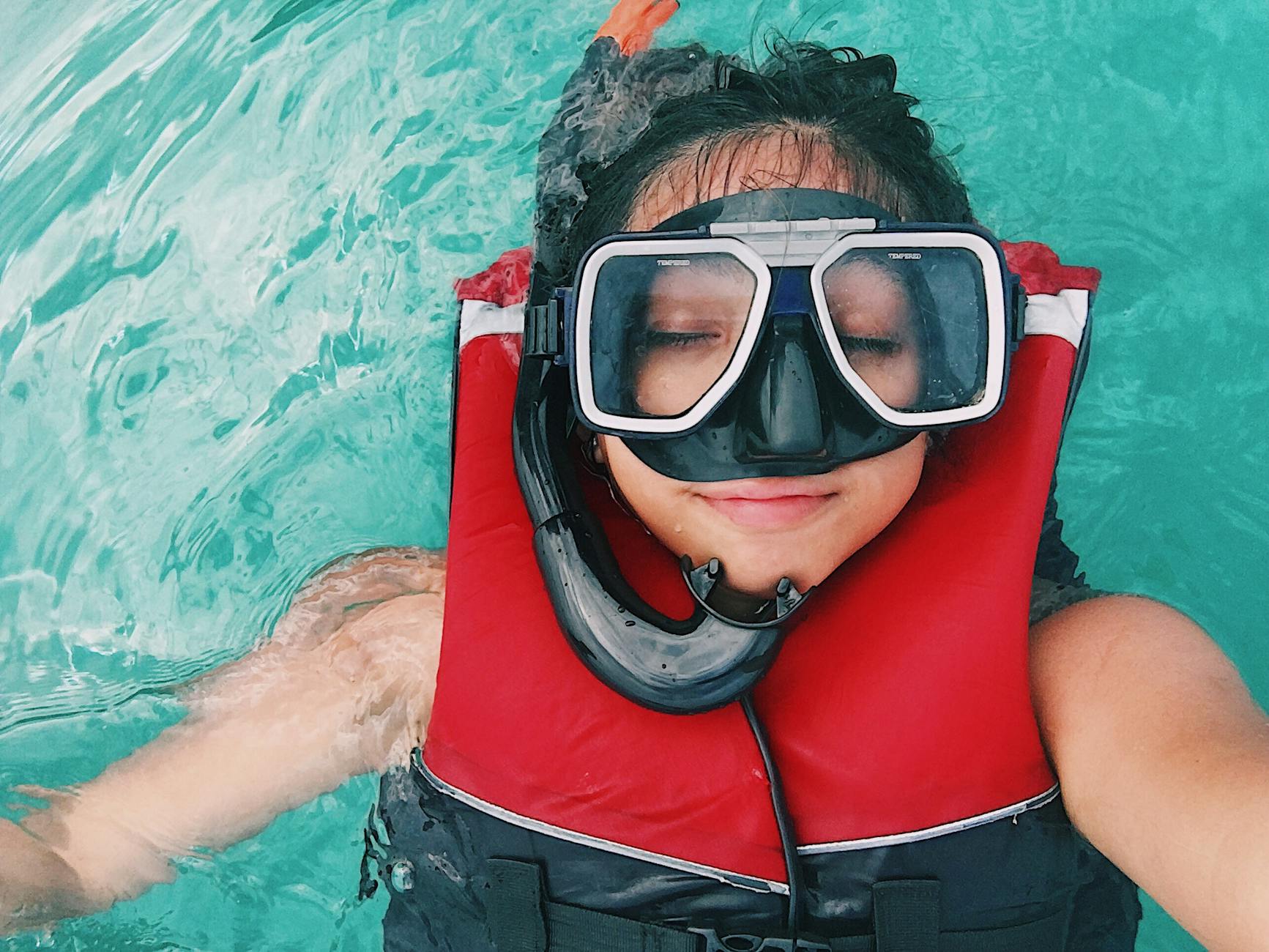
Carriacou offers excellent scuba diving opportunities throughout most of the year. Ideal diving conditions occur from January through May during dry season. These months feature calm waters, excellent visibility, and comfortable sea conditions. Water temperature stays around 28°C, making diving pleasant without heavy wetsuits.
January and February provide the best diving experiences of the year. Water visibility extends 30 meters or more, allowing excellent underwater photography. Sea conditions remain calm with minimal current. Dive operators run daily trips to established sites. Professional dive shops operate from Hillsborough with full equipment rental and instruction services.
March and April continue excellent diving conditions. Water warms slightly, and visibility remains outstanding. These months see the most active marine life, with fish populations abundant and healthy. Dive schools offer certification courses regularly. Group dives depart daily with guaranteed departures and small group sizes.
May still provides good diving despite increased rainfall. Morning dives work perfectly before weather deteriorates. Afternoon showers rarely affect morning dive operations. Sea conditions remain generally calm. Fewer divers visit in May, so dive sites feel less crowded and more peaceful.
June through November bring challenging diving conditions. Afternoon storms create rough seas unsuitable for diving. Visibility decreases significantly due to sediment and reduced sunlight. Most dive shops reduce schedules or close entirely. Currents become unpredictable, making guided dives less enjoyable for recreational divers.
Carriacou's dive sites include reef structures, wreck dives, and wall dives suitable for various skill levels. Professional dive operators maintain safety equipment and follow international standards. Dive shops provide experienced guides familiar with local underwater terrain. Many divers combine Carriacou with nearby Grenada for extended diving vacations.
Practical diving information includes bringing dive certification cards and logbooks. Dive shops require proof of certification before guiding dives. Rental equipment quality is adequate for recreational diving. Nitrogen narcosis becomes a consideration at deeper sites, so dive depth limits depend on your training and experience. Always dive with a buddy and follow professional safety protocols.
Frequently Asked Questions
When Is Hurricane Season on Carriacou, and Should I Avoid These Months?
Hurricane season officially runs from June through November, with peak activity in September and October. Carriacou rarely experiences direct hurricane hits due to its southern Caribbean location. However, the island receives heavy rainfall and rough seas during these months. Most tourists avoid this period due to weather unpredictability and reduced tour operations. If you're flexible with indoor activities and don't mind rain, these months offer exceptional value and authentic experiences. Travel insurance that covers weather-related cancellations is strongly recommended for any rainy season visit.
What Is the Cheapest Time To Visit Carriacou?
September and October offer the lowest prices year-round, with rates sometimes 50 percent below peak season. However, these months bring heavy rain and challenging weather. May and early November provide better value than peak season while maintaining reasonable weather conditions. June through August offer moderate discounts with more frequent but shorter rain showers. If budget is your primary concern, visiting in September or October requires flexibility about weather and a willingness to experience the island during its quietest period with authentic, undisturbed local culture.
Can I Visit Carriacou During Rainy Season and Still Have a Good Time?
Yes, rainy season visits work well with proper planning and expectations. Rain typically falls in afternoon thunderstorms, leaving mornings clear and perfect for activities. Schedule water activities, diving, boating, and beach time for early mornings. Afternoons offer opportunities for cultural exploration, local restaurants, and covered activities like markets or museums. Pack quick-dry clothing and waterproof bags for your electronics. The island is beautiful and lush during rainy season, with fewer tourists and lower prices. Many experienced travelers prefer the authentic island experience and manageable crowds despite occasional weather disruptions.
What Should I Pack for a Carriacou Visit Regardless of Season?
Essential items for any Carriacou trip include reef shoes to protect feet on rocky areas, high-SPF sunscreen, and lightweight, breathable clothing. Bring a light rain jacket even during dry season, as brief showers can occur unexpectedly. Underwater camera equipment suits Carriacou's diving and snorkeling opportunities. A good pair of hiking boots works for exploring trails and natural areas. Hat and sunglasses provide necessary sun protection during active days. If visiting during rainy season, pack extra quick-dry clothing and a waterproof day pack. Motion sickness medication helps if you're prone to seasickness during boat tours and ferry rides.
Is Carriacou Better Than Nearby Grenada for Timing a Visit?
Carriacou and Grenada share similar weather patterns and seasonal timing. Carriacou offers smaller crowds and more authentic experiences compared to larger Grenada. Both islands experience the same dry season from January to May and rainy season from June to November. Weather timing doesn't differ significantly between them. Carriacou's advantage lies in fewer tourists, lower prices, and easier access to diving and water activities due to smaller size and less commercial development. Many visitors combine both islands, spending time on Carriacou for diving and peaceful experiences while enjoying Grenada's larger restaurant and shopping selections.