Last updated:
Carriacou scuba diving offers exceptional underwater experiences in the Lesser Antilles. This small island near Grenada sits at coordinates 12.4833, -61.45 and covers 34 square kilometers. With a population of 8,000, Carriacou remains quiet and underdeveloped compared to nearby tourist destinations. The island welcomes divers year-round, though certain months offer better conditions. Carriacou scuba diving appeals to beginners and experienced divers equally.
The island's warm Caribbean waters hide vibrant coral reefs and fascinating shipwrecks. Dive operators on Carriacou conduct dives at various depths and difficulty levels. You can reach the island via Lauriston Airport, which accepts small aircraft and regional flights. Most visitors fly through Grenada first, then take a short hop to Carriacou. The East Caribbean dollar is the official currency, though many businesses accept US dollars.
Best Dive Sites in Carriacou
Carriacou's dive sites feature healthy coral systems and abundant marine life. The reef structures here support hundreds of fish species and countless invertebrates. Most sites lie within 15 minutes by boat from the main dive shops. Conditions vary seasonally, with calmer waters during the dry season.
Anse la Roche is a popular reef dive suitable for intermediate and advanced divers. The site features a sloping coral reef that descends to about 40 meters. Schools of jacks, snappers, and groupers patrol these waters regularly. The reef contains both soft and hard corals in excellent condition. Visibility here typically ranges from 20 to 40 meters depending on weather.
Isle de Ronde offers dramatic underwater topography for more experienced divers. This site features steep walls, caves, and overhangs. Strong currents sometimes flow through this area, making it suitable for drift diving. Eagle rays and reef sharks occasionally appear at this location. The maximum depth reaches 50 meters at the base of the walls.
Saline Island provides a gentler dive suitable for intermediate divers. The reef here is less steep than other major sites on Carriacou. Turtles frequent these waters, and you may encounter them during your dive. The coral formations include impressive brain corals and staghorn branching varieties. Depth ranges from 10 to 35 meters across the site.
The Barracuda is a popular wreck dive that appeals to advanced divers. This vessel sits upright on the bottom and has become home to numerous fish species. Groupers, snappers, and tarpon often congregate around the wreck structure. The wreck's maximum depth reaches approximately 40 meters.
PRO TIP: Book dives during calm mornings for the best visibility and most comfortable conditions. Afternoon dives sometimes experience rougher seas and stronger currents.
Scuba Diving for Beginners in Carriacou
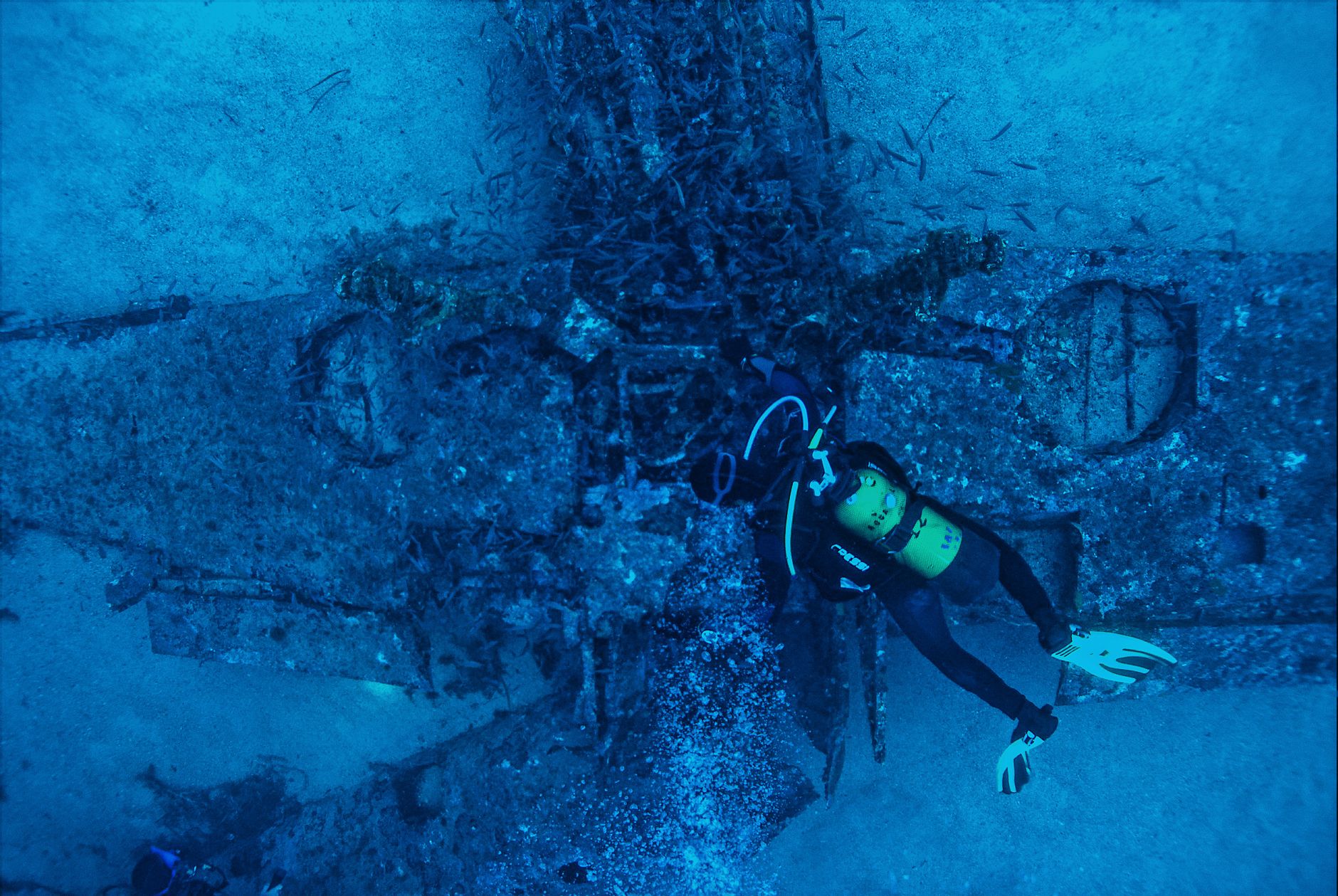
Beginning your scuba diving journey in Carriacou is safe and rewarding. Several dive operators on the island specialize in teaching new divers. Beginner dives typically occur at shallow reef sites with excellent visibility. The warm water temperature makes extended time underwater comfortable for new divers. Most operators follow international certification standards and use modern equipment.
Beginners should start with confined water training or pool sessions if available. Most dive shops conduct theory lessons either online or in-person. Your instructor will teach you essential skills before entering the ocean. These skills include breathing underwater, equalizing pressure, and emergency procedures. Practice dives occur in shallow water with your instructor present throughout.
Shallow reef sites work best for new divers learning underwater skills. Sites like Saline Island offer gentle slopes and maximum depths under 12 meters for your first dive. You will see colorful fish, anemones, and coral formations. Your instructor guides you throughout the dive and monitors your comfort level. Most beginner divers complete their certification within two to three days.
Equipment rental is available at all major dive shops in Carriacou. Rental gear includes tanks, regulators, buoyancy compensators, and wetsuits. Tell your dive master your experience level so they provide appropriate guidance. Instructors adjust their teaching to your pace and learning style. Beginners who follow instructions and stay calm have highly successful dive experiences.
Physical requirements for scuba diving are minimal but important. You must be at least 10 years old to try introductory dives. Current health without serious heart, lung, or ear conditions is necessary. Pregnancy and recent surgery make diving unsafe. Most dive operations require you to complete a health questionnaire before diving.
Snorkeling in Carriacou
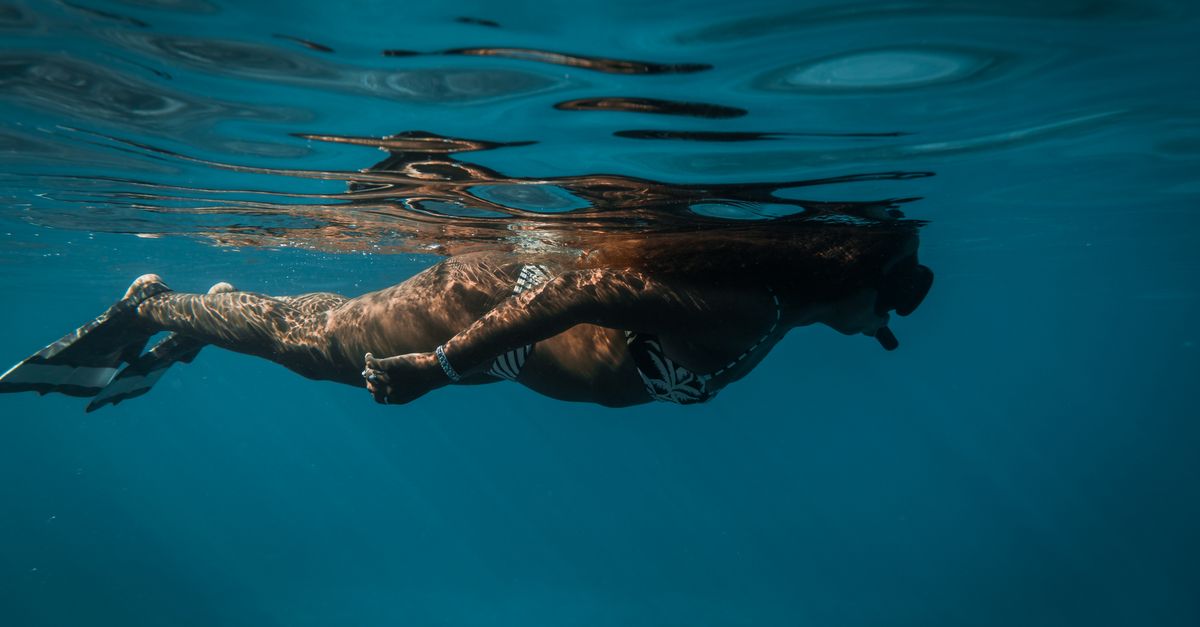
Snorkeling in Carriacou provides excellent marine viewing without requiring scuba certification. You need only basic swimming ability and comfort in ocean water. Snorkeling equipment consists of a mask, snorkel tube, and fins. This simple gear allows you to observe reefs and fish from the water's surface. Many dive operators offer snorkeling trips to complement their diving services.
Sandy Island is the premier snorkeling destination near Carriacou. This small island sits approximately 30 minutes from the main settlement by boat. The waters around Sandy Island remain shallow and clear, typically 3 to 8 meters deep. You will see parrotfish, angelfish, sergeant majors, and damselfish immediately upon entering the water. The beach on Sandy Island offers shade and rest between snorkeling sessions.
Tyrrel Bay provides easy access to reefs without requiring a boat trip. You can walk from the beach and find reefs within 50 meters of shore. The shallow water here rarely exceeds 5 meters depth. Colorful tropical fish swim close to snorkelers in these protected waters. This location works especially well for families and beginning snorkelers.
Mabouya Island offers another excellent snorkeling option near Carriacou. The reef formations here are less crowded than Sandy Island. You will encounter similar fish species but in a quieter setting. Local operators can arrange boat transportation to Mabouya Island. Snorkeling trips typically last 2 to 3 hours including travel time.
Snorkeling requires minimal physical exertion compared to scuba diving. You control your pace entirely and can surface anytime. Children as young as 3 or 4 can snorkel with proper adult supervision. Most people learn basic snorkeling technique within minutes. Rental equipment for snorkeling is cheaper than diving gear.
PRO TIP: Apply reef-safe sunscreen before snorkeling to protect coral ecosystems and your skin. Chemical sunscreens damage coral, so choose mineral-based formulas instead.
Dive Schools and Operators
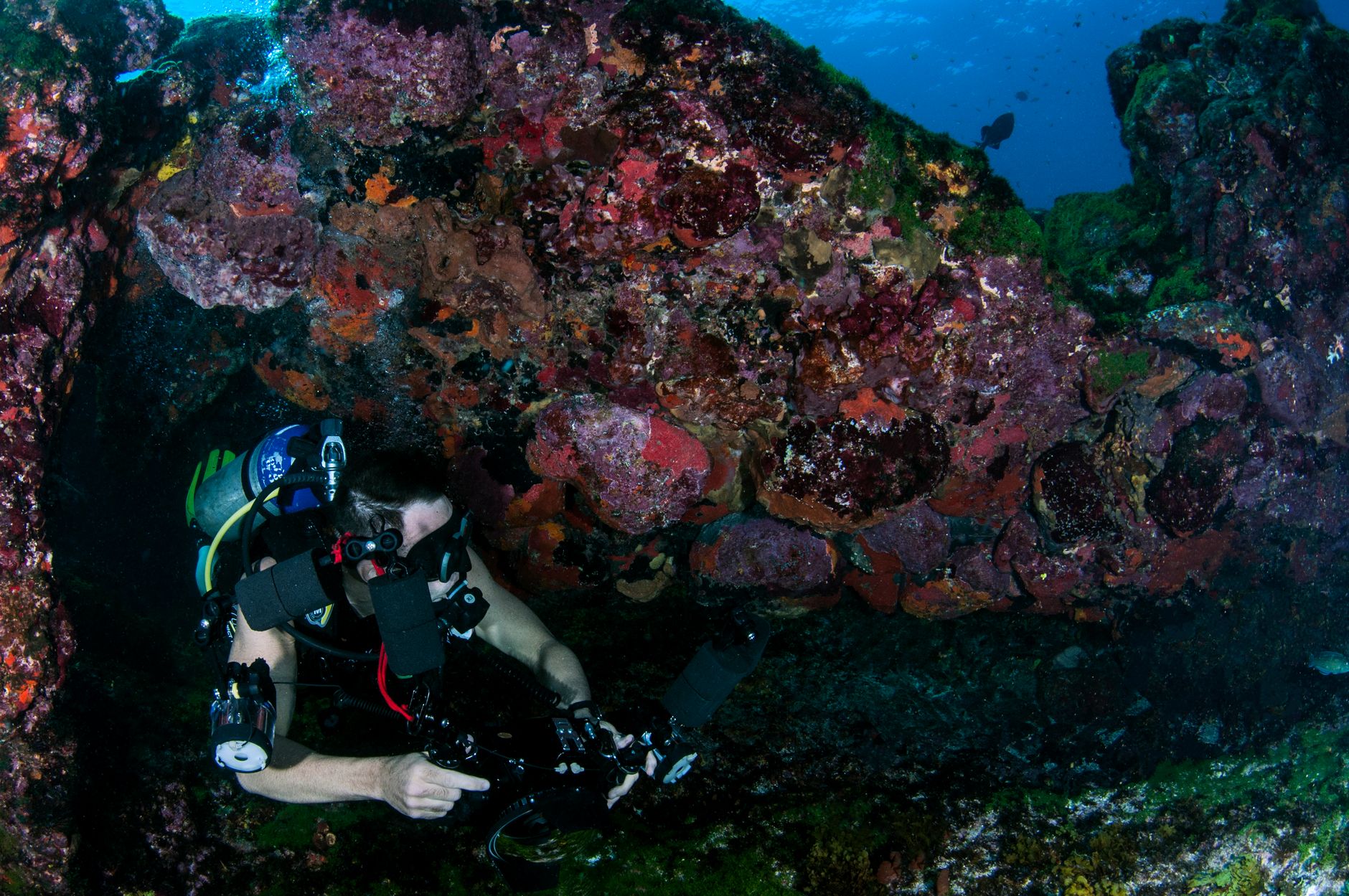
Several professional dive operators serve Carriacou and nearby waters. These businesses employ certified instructors and maintain modern equipment. Most operators offer daily dives, certification courses, and specialized training. They can arrange transportation from your accommodation to the dive shop. Book your dives in advance during peak season to secure your spot.
Dive shop services typically include equipment rental, guided dives, and instruction. Operators provide tanks, weights, and most necessary gear for your dive. You need only bring a personal diving computer if you own one. Most shops offer nitrox for divers interested in this gas mixture. They maintain detailed dive logs and track your progress during multi-day visits.
Certification courses range from basic levels to advanced specialties. The PADI Open Water certification teaches fundamental diving skills over three days. Advanced Open Water courses build on basic skills with deeper and specialty dives. Rescue Diver courses prepare divers to handle emergency situations. Specialty courses cover topics like wreck diving, deep diving, and underwater navigation.
Getting to dive operators is simple from central Carriacou. Most shops are located in or near Hillsborough, the main town. Some accommodations arrange transport to the dive shop as part of your booking. You can also hire local taxi services to reach the dive facility. Walk-ins are generally welcome, though advance reservations guarantee availability.
Bringing your own gear is welcome at all professional operators. If you own your diving computer, regulators, or other personal equipment, bring them. The dive shop will conduct a gear inspection before your first dive. Most operators charge minimal fees for gear you provide yourself. Personal gear should follow airline regulations for international travel.
What You Will See Underwater
Carriacou's underwater world teems with vibrant marine life and healthy coral systems. Fish populations here remain robust due to limited commercial fishing in these waters. You will encounter species found throughout the Caribbean at various reef depths. The diversity of marine life changes based on which dive site you visit.
Fish species dominate observations during most dives in Carriacou. Parrotfish actively graze on algae covering coral surfaces. You will recognize them by their bright colors and large beak-like mouths. Groupers hide among coral crevices and emerge to hunt small fish. Snappers school in large numbers, especially at deeper reef zones. Angelfish display striking color patterns as they move between coral formations.
Tarpon and large jacks patrol the reef edges hunting for smaller fish. Barracuda occasionally appear at deeper sites but rarely pose danger to divers. Creole wrasses flit constantly throughout the water column. Trunk fish with their unusual boxy shape waddle along the seafloor. Damselfish aggressively defend small territories within the coral.
Invertebrates and smaller creatures populate every square meter of reef. Sea urchins cluster in crevices, their spines providing protection. Sea stars of various colors and sizes adorn the reef surface. Giant clams rest on the bottom, their colorful mantles visible when open. Lobsters hide in rocky crevices emerging at night. Shrimp and crabs scurry about performing cleaning services on larger fish.
Coral formations create the structural foundation for all reef life. Brain corals grow into massive rounded shapes several meters across. Staghorn and elkhorn corals branch upward providing shelter for countless creatures. Soft corals sway with water movement adding motion and color. Plate corals form sheltering overhangs where fish rest. Fire coral, identifiable by its mustard color, should be avoided as it causes skin irritation.
Turtles appear regularly at several Carriacou dive sites. Green sea turtles occasionally rest on the seafloor or cruise through open water. Hawksbill turtles hunt for sponges and small invertebrates. Encounters with turtles are special moments many divers cherish. Respect turtle space by maintaining distance and never touching them.
Rays and sharks represent larger marine animals you might encounter. Eagle rays glide gracefully over sand flats. Southern stingrays rest on the bottom camouflaged by sand. Reef sharks, when present, typically avoid divers. These creatures have no interest in humans and usually disappear quickly. Shark sightings actually indicate a healthy reef ecosystem.
PRO TIP: Bring an underwater camera or go pro to capture the incredible marine life. Many dive shops offer underwater photography courses to improve your technique.
Best Time To Dive in Carriacou

The best diving months in Carriacou are January through May. These months offer calm seas, excellent visibility, and comfortable air temperatures. The dry season in the Caribbean brings stable weather patterns ideal for water activities. Water temperature remains warm year-round, averaging 28°C throughout the year. January and February typically provide the calmest ocean conditions.
January and February are peak dive season in Carriacou. The northeast trade winds blow steadily but gently during these months. Wave heights remain minimal, creating smooth seas for boat travel. Visibility consistently reaches 30 to 40 meters at most reef sites. These months attract more divers, so expect busier dive shops and higher prices.
March through May offer excellent diving with slightly fewer crowds than early winter. Water conditions remain calm and visibility stays excellent. Prices may be lower than peak season rates. Hurricane season officially begins June 1st, ending the ideal diving window. March brings some of the warmest water temperatures of the year.
June through November presents challenges for diving despite warmer water. This period includes the Atlantic hurricane season affecting the Caribbean. Tropical storms can develop rapidly, creating dangerous diving conditions. Visibility reduces significantly during this period due to rough seas and runoff. Many dive shops operate reduced schedules during summer and fall months.
December marks the transition toward ideal conditions. Weather becomes more stable as Christmas approaches. Visibility improves throughout the month as seas calm. December has fewer divers than January and February, offering a good compromise. Some operators offer special holiday rates during this transition period.
Water temperature remains constant year-round, averaging 28°C at the surface. Deeper waters cool slightly to 26°C below 30 meters depth. A 3 millimeter wetsuit provides adequate thermal protection for most divers. Thin wetsuits work for snorkelers or divers staying shallow and active. Consider bringing a rash guard for sun protection even in warm water.
Frequently Asked Questions
What Certification Do I Need To Scuba Dive in Carriacou?
You need at least a basic PADI Open Water certification or equivalent from another recognized organization. If you lack certification, you can complete an introductory course through a local dive operator before diving independently. Beginners typically earn their certification within two to three days. All major dive shops in Carriacou recognize standard international certifications from organizations like PADI, SSI, and NAUI.
How Much Does Carriacou Scuba Diving Cost?
Dive pricing varies depending on operators and whether you provide your own gear. Most single dives range in standard Caribbean pricing, though specific amounts vary by operator. Multi-dive packages and longer trips may offer better value. Equipment rental typically costs less than half the dive fee. Certification courses cost more than recreational dives but include extensive instruction and materials.
Are There Easy Dive Sites Suitable for Beginners in Carriacou?
Yes, several sites work well for beginning divers. Saline Island offers gentle slopes and shallow maximum depths under 12 meters. The reef here contains abundant life without intimidating steepness or currents. Your instructor will guide you throughout the dive ensuring comfort and safety. Most operators recommend beginner dives at Saline Island or similar protected reef areas first.
Can I Snorkel Instead of Scuba Diving in Carriacou?
Absolutely. Snorkeling is excellent and requires no certification or training. Sandy Island, Tyrrel Bay, and Mabouya Island offer exceptional snorkeling experiences. You can see many of the same fish and coral formations snorkeling as you would diving. Snorkeling costs significantly less than diving and requires minimal physical effort. Many visitors enjoy combining snorkeling and diving activities during their stay.
What Should I Bring for Scuba Diving and Snorkeling in Carriacou?
Bring reef-safe sunscreen, a personal diving computer if you own one, and any prescription glasses needed underwater. Pack light clothing for the warm weather and a light jacket for cooler evenings. Bring cash in East Caribbean dollars and some US dollars, as not all businesses accept cards. Consider bringing an underwater camera to capture marine life. Fins, masks, and snorkels are available for rent if you don't own them.